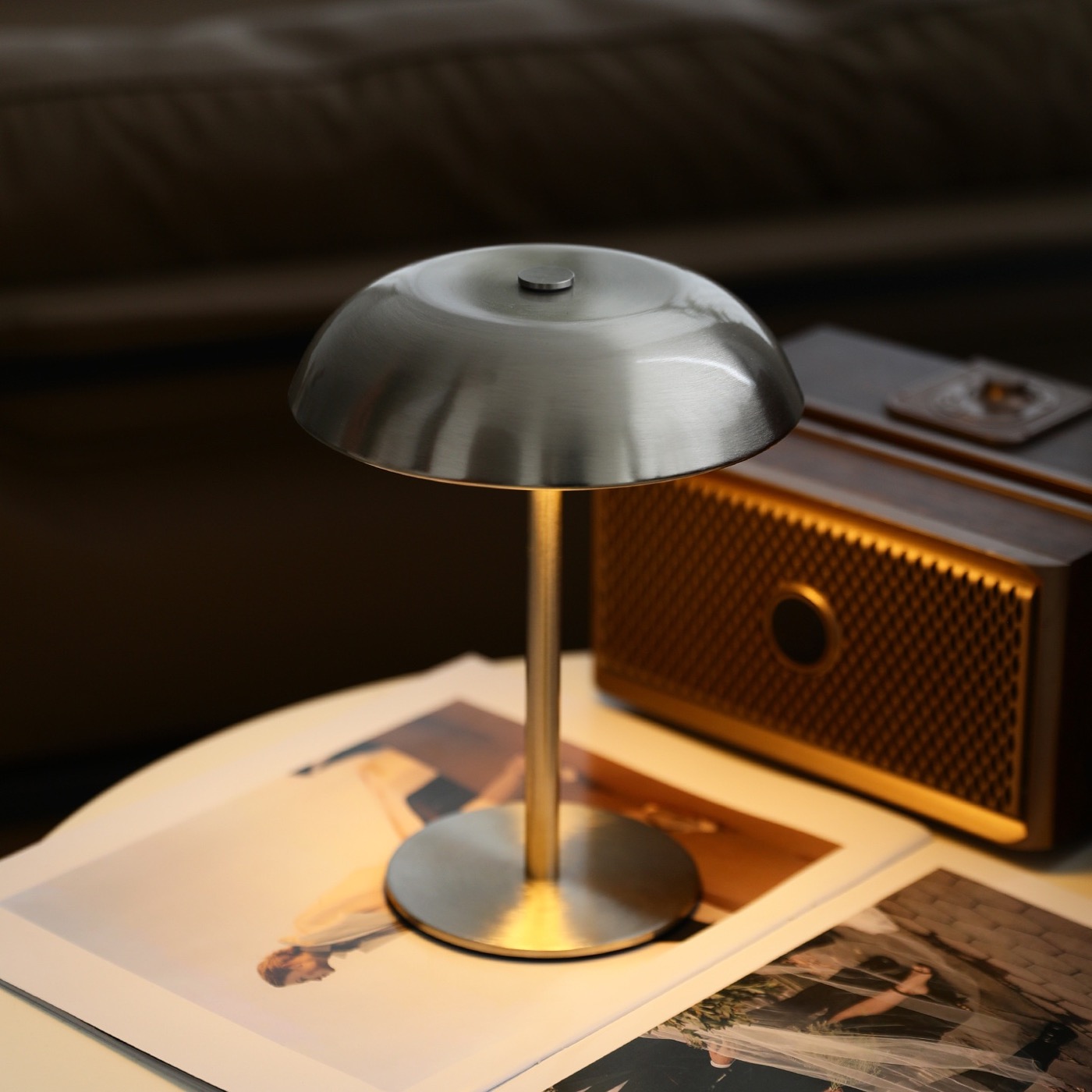
A room becomes more adaptable when no single fixture is expected to do everything. Layered lighting combines a comfortable ambient base with focused task lighting and lower-level accent light. Each layer has a distinct purpose, allowing the room to shift between practical daytime use, focused work and a quieter evening atmosphere.
Begin by observing how the space is used rather than choosing fittings one by one. Note where people read, prepare food, work, move through the room and look toward architectural features. Those activities reveal which layers are needed and where independent control will add value.
Start with ambient light
Ambient light provides the general level needed to move around comfortably. It can come from a ceiling fitting, reflected wall wash or a balanced group of sources. The objective is even orientation light rather than maximum brightness in every corner.
Keep this base layer calm enough for task and accent lighting to remain visible. Dimming or dividing the ambient sources into zones gives the room more flexibility and avoids using full output when a softer level would be more comfortable.
Add task light where work happens
Desks, reading corners, kitchen surfaces and dressing areas need focused light placed close to the activity. Good task lighting reduces shadows from the user’s body and provides useful contrast without forcing the whole room to become brighter.
A rechargeable table lamp offers flexibility where furniture moves or wiring is limited, while a wall light creates a more permanent architectural solution. Consider adjustability, beam direction and switch position so the light is convenient during everyday use.
Finish with accent light
Accent light draws attention to texture, artwork, shelving, a hallway or an exterior view. It creates depth by allowing selected surfaces to be brighter than their surroundings. Use it selectively and keep the source controlled so attention stays on the material or object being illuminated.
The strongest schemes often use several low-intensity points rather than one oversized source. Give the layers separate controls where practical, keep colour temperatures compatible and review the room after dark before deciding that additional output is necessary.
Product specifications, regional pricing and delivery eligibility can change. Check the relevant Patiolume product page before ordering.
← Back to Blogs